Home » Posts tagged 'fitness'
Tag Archives: fitness
The Mindset Shift You Need for Losing Weight Safely and Keeping It Off

We often think of weight loss as a numbers game—calories in, calories out, right? But if that were the whole story, we’d all be crushing our goals by now. The truth is, lasting weight loss has more to do with your mindset than your meal plan. For years, I tried every diet under the sun and burned myself out with intense workouts. Nothing stuck—until I started changing how I thought about the process. If you’re tired of yo-yo dieting or chasing quick fixes, it might be time to approach weight loss from the inside out.
Ditch the “All or Nothing” Mentality
One of the biggest shifts I made was letting go of perfectionism. I used to think I had to do everything “right”—the perfect diet, the hardest workouts, zero slip-ups. If I messed up once, the whole week felt ruined. That kind of thinking made me spiral and give up more times than I can count. The reality is, consistency matters way more than perfection. You don’t need to eat clean 100% of the time to see progress. Progress happens when you keep going, even after a less-than-perfect day. I found this helpful piece on healthy weight loss that explained how being flexible and forgiving with yourself leads to better results—and less burnout.
Reframe Movement as a Privilege, Not a Punishment

For a long time, I used exercise to “make up for” what I ate. I saw it as punishment for enjoying food, not something I did to take care of myself. That mindset made me dread workouts and avoid them altogether. Everything changed when I started thinking of movement as a gift—something I get to do, not something I have to do. Walking, stretching, dancing around my living room—it all counts. When I stopped forcing myself into workouts I hated and found ones I enjoyed, I started looking forward to them. That mindset shift made it easier to stay consistent, and the results followed naturally.
Focus on Adding, Not Just Taking Away
Most diets start with a long list of “don’ts”: don’t eat sugar, don’t eat carbs, don’t snack. That kind of restriction can make you feel deprived and miserable. Instead, I started focusing on what I could add to my routine. More water. More veggies. More sleep. More protein. That simple switch helped me create a more positive relationship with food and wellness. I wasn’t constantly battling cravings or white-knuckling through hunger. I was nourishing my body—and that made all the difference.
Set Goals That Aren’t Just About the Scale

It’s tempting to focus only on losing a certain number of pounds, but weight alone isn’t the best marker of success. I used to weigh myself daily and let the number determine my mood. But real change happened when I started setting non-scale goals—like improving my energy, feeling stronger, or sleeping better. Those goals were more motivating and showed up much faster than changes on the scale. Plus, they reminded me that weight loss is about health and quality of life, not just aesthetics.
Practice Patience (Seriously)
This one was tough. In a world that sells “drop 10 pounds in 10 days,” we’re conditioned to want fast results. But fast isn’t always safe—and it’s rarely sustainable. I had to accept that healthy weight loss is slow and steady. It’s supposed to take time. When I shifted my mindset from “how fast can I lose weight?” to “how long can I keep this up?” everything changed. I stopped rushing and started building habits I could stick with. And funny enough, that’s when the progress started to last.
If you’ve been stuck in the cycle of dieting and disappointment, maybe the issue isn’t your willpower—it’s your mindset. Real, lasting weight loss isn’t about restriction or punishment. It’s about self-respect, consistency, and choosing what supports your health in the long run. When you let go of unrealistic expectations and treat yourself with patience and kindness, weight loss becomes less of a battle and more of a byproduct of better habits. The shift starts in your mind, and once that clicks, everything else follows.
How to Effectively Manage Fatty Liver Disease
Fatty liver disease is sneaky. It often creeps in without symptoms and lingers until damage starts. But the good news? You can take charge of it. It starts with understanding what’s going on inside your body and then making smart, doable changes. Think of it like cleaning out a cluttered attic—you can’t fix it overnight, but with a bit of effort and consistency, progress happens. The key is action, not perfection. Small wins add up.
Eat Healthy Food
Changing what’s on your plate is one of the most powerful ways to manage fatty liver disease. Processed sugars and refined carbs are common culprits that sneak in and add fuel to the fire. Swapping them for whole grains, vegetables, and healthy fats can lighten the liver’s load. No need to dive into fad diets or empty your wallet on organic everything—simple, consistent choices matter more. Keto lovers, for example, might enjoy learning how to make a low-carb chopped cheese sandwich as a tasty alternative that doesn’t stress the liver. Choosing grilled fish over fried chicken just once a day adds up over time. Moderation is your best friend here. And no, coffee isn’t the enemy—in fact, a couple of cups a day may help your liver.
Move More, Sit Less

Exercise helps break down fat in your liver. That’s a big deal. You don’t need a gym membership or a six-pack to benefit—just moving around more during the day can spark change. A 30-minute walk, dancing in your living room, or playing tag with your kids can all do the trick. Think of movement as medicine. If you treat it like a chore, it becomes one. But if you find joy in it, it sticks.
Watch Your Numbers Like a Hawk
Your liver isn’t just hanging out on the sidelines—it’s working hard every day. Monitoring your weight, blood sugar, and cholesterol helps you keep it in good shape. If any of those numbers start heading in the wrong direction, it can put added stress on your liver. Regular check-ups with your doctor are crucial. You might not feel anything changing, but your blood work tells the real story. It’s like checking your car’s dashboard—you want to know what’s going on under the hood before there’s smoke.
Cut Back on Booze and Meds That Hurt the Liver

Alcohol is a known troublemaker for the liver, especially when there’s already fat involved. Even a few drinks a week can harm if the liver is already vulnerable. Some over-the-counter medications and supplements can also be risky. Always talk to a healthcare professional before adding anything new, even if it’s “all-natural.” Your liver handles more than just alcohol—it processes everything from painkillers to herbal teas. Protecting it means being careful about what you put into your body. It’s not about fear—it’s about respect for your body’s limits.
Managing fatty liver disease doesn’t require a miracle. It calls for honesty, patience, and a little grit. You don’t have to overhaul your life overnight, but you do have to start somewhere. Maybe it’s adding a salad to lunch or walking the dog an extra block. Each choice, no matter how small, helps your liver breathe a little easier. Your body wants to heal—you just have to give it the chance. And remember, progress beats perfection every time.
4 Ways to Become Physically Fit
We all know that physical fitness is important for our overall health and well-being. But sometimes, it can be hard to fit in a workout, especially if you’re not used to being active. Here are the soluciones en linea to get started on your journey to becoming physically fit.
Choose Aerobic Activities
Aerobic activities are great for your heart and lungs, and you can do them anywhere. Walking, jogging, swimming, biking, and dancing are excellent choices. If you can find an activity you enjoy, you’re more likely to stick with it. Start by setting a goal of how many minutes or miles you’d like to walk, jog, or swim each week. Then, add more time or distance each week until you reach your goal. Remember to warm up before you start and cool down when you finish.
Cut Back on Junk Food
One of the worst things you can do for your health is to eat junk food. Not only is it loaded with unhealthy ingredients, but it also doesn’t provide your body with the nutrients it needs to function properly. To become physically fit, you need to cut back on junk food and replace it with healthy alternatives. You can eat healthy foods instead of junk food, including fruits, vegetables, whole grains, and lean protein.
Exercise in Nature for at Least 30 Minutes
The best way to become physically fit is to exercise for at least 30 minutes a day. This can be done by going for a walk, running, or working out at the gym or better in nature. These activities will help you lose weight, build muscle, and improve your overall health.
In addition to diet and exercise, another important factor in physical fitness is getting enough sleep; most adults need seven to eight hours of sleep each night to feel their best. If you are not getting enough sleep, staying physically fit won’t be easy.
Eat Fresh Fruits and Vegetables
Eating fresh fruits and vegetables is one of the best ways to become physically fit. These foods are packed with nutrients that can help your body function at its best. Eating a diet rich in fruits and vegetables can also help you maintain a healthy weight, which is another important factor in physical fitness.
Physical fitness is important for our overall health and well-being. It can be hard to fit in a workout, but there are four easy ways to get started. Choose aerobic activities, cut back on junk food, exercise for at least 30 minutes daily, and eat fresh fruits and vegetables. These tips will help you become physically fit and improve your overall health.
Helpful Exercises to Relieve Nerve Pain
Does nerve pain bother you often? Well, it is time to knock it off and punch your chronic pain with these easy-to-do workouts at home or work with friends. Why live with tingling or numbing pain any longer? Nerve pain is caused by a lack of blood flow to the heart, which causes pain and anxiety throughout the body. If you can relieve this pain in 30 minutes, would you dare to do it? Although you can take any supplements to help you fight nerve pain, as specified by Healthjack.com, exercise is still the most effective way to combat it. This article will show you that you don’t even have to sweat to see the results.
Take a Walk

Walking, of course, improves legs and the butt. Try walking half an hour a day five times a week and walk 20 minutes earlier. If walking is difficult now, start with a short walk to the mailbox or around the house. Don’t be afraid to take a friend and turn it into a social event. A walk is just the beginning. Walking is strictly encouraged to middle-aged people in order them to move faster and help stay healthy. It comes from concerns that a high level of inactivity may be harming the health of older adults.
Low Impact Aerobics
If kickboxing is not your style, you should make it easier for yourself to have a nice day at the pool or on a bike. Both offer low blows to joints, bones, and joints. But most importantly, swimming and cycling improve blood circulation. In this regard, you can enhance both your resistance and endurance. You don’t have to become a bodybuilder for this, and that is a good thing. Whether you are lifting five-pound weights, doing sit-ups or pushups, adding resistance training to your daily routine can increase flexibility and, of course, blood flow.
Go for Stretching
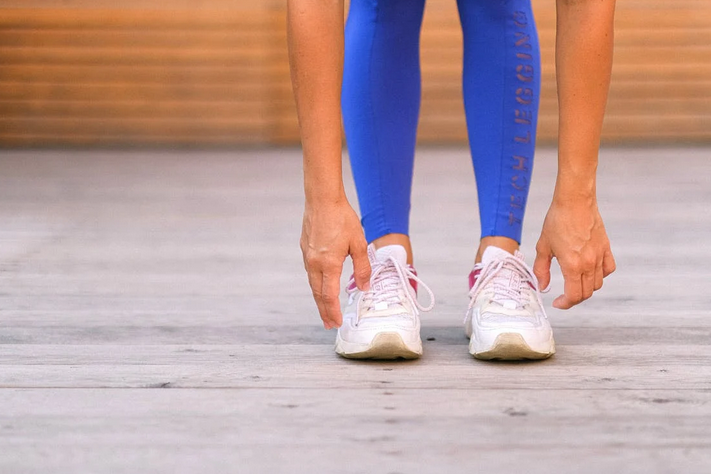
Stretching increases flexibility, and it should be neither strict nor prolonged. Make sure that your goal is to try a minimum of some stretching. Any kind of movement is much better than none. Remember that your body needs to heal, and if you stay active, blood will continue to circulate, and healing will begin.
The Best Legs and Butt Workouts
You can take advantage of exercising off for your butt and thighs. Strengthening your legs or trying to shape your butt, weight training will benefit the whole body. Emsculpt offers the best and safest non-surgical butt lift. There are exercise guidelines for women; the first contains a training guide; you will do your workout whenever you don’t have a weightlifting machine or gym membership. Both workouts give you the chance to work out buttocks and thighs, even if it’s for a special occasion or a demonstration. In addition to perfect exercises to eliminate cellulite, it is possible to reduce or eliminate sweat.
Yoga
Yoga is excellent for stretching the whole body, and this stretching helps to soften the effect of cellulite by stretching the connective tissue. It also increases lymphatic flow to the fat areas, and lymph is the body fluid that contains the white blood cells that help eliminate toxins and thus reduce cellulite. And benefit the butt and thigs stretching. Shoulder support at the beginning, it is highly recommended to make these with the assistance of a certified yoga teacher or find an excellent teaching video.
Anaerobic Exercise
Choose something unusual, such as a sport or action that you like. This way, you can always break your buttocks instead of getting sick and stop. Plow posture will leg straighten from above by standing on your shoulders, and your toes rest while you pull them back. Bend your knees backward, pull your body down, and hold this position gently for 2-10 breaths.
Squats Exercise for Buttocks
I advise you to get a mentor who will explain how to do this and give you support and professional training, so you don’t risk getting hurt because this includes weight transfer. Crouch with a proper diet high protein limited calories is very effective in improving the appearance of the buttocks and thighs, but not only to reduce cellulite, but also to firm and tone them.
Lunges With Weights
The second exercise takes place next to the bent knees and could be used in combination with them. Therefore, I suggest you do weights with the help of a trainer. Use these buttocks muscles in time for people to exorcise them and stretch their legs and train each leg if you want to fight cellulite, and they are a great exercise.
Standing Glute Kickback Machine
These are designed to isolate the buttocks, and these are made with a system that makes them safer. If you don’t understand it, it is the exercise where you press an endurance arm with your foot bending your leg backward, usually in an upright position. Then you use almost all the muscles that are in the buttocks to achieve your best result.
It is best if you decide to do your exercise twice a week, give these two workouts out. Your body will have many opportunities to heal itself by distributing the workouts and be ready for the next one. The training system works the small and large muscle groups of the thighs and buttocks.


Squats Exercise for Buttocks